
Table of Contents
Introduction
Workplace Safety Hazard Many accidents aren’t caused by complex issues—they occur due to small, overlooked, and preventable risks like slippery floors, poor lighting, unsafe equipment, or lack of training. These hazards can lead to injuries, downtime, legal penalties, and damage a company’s reputation.”
Understanding the different types of workplace hazards is a critical step toward creating a safe and compliant working environment. Whether it’s an office, factory, warehouse, or construction site, identifying and controlling workplace hazards helps organizations protect employees, meet safety regulations, reduce costs, and improve productivity.
By proactively managing workplace hazards, businesses not only prevent accidents but also build a strong safety culture, earn employee trust, and secure a safer, more sustainable future.
1. Skipping Workplace Safety Training
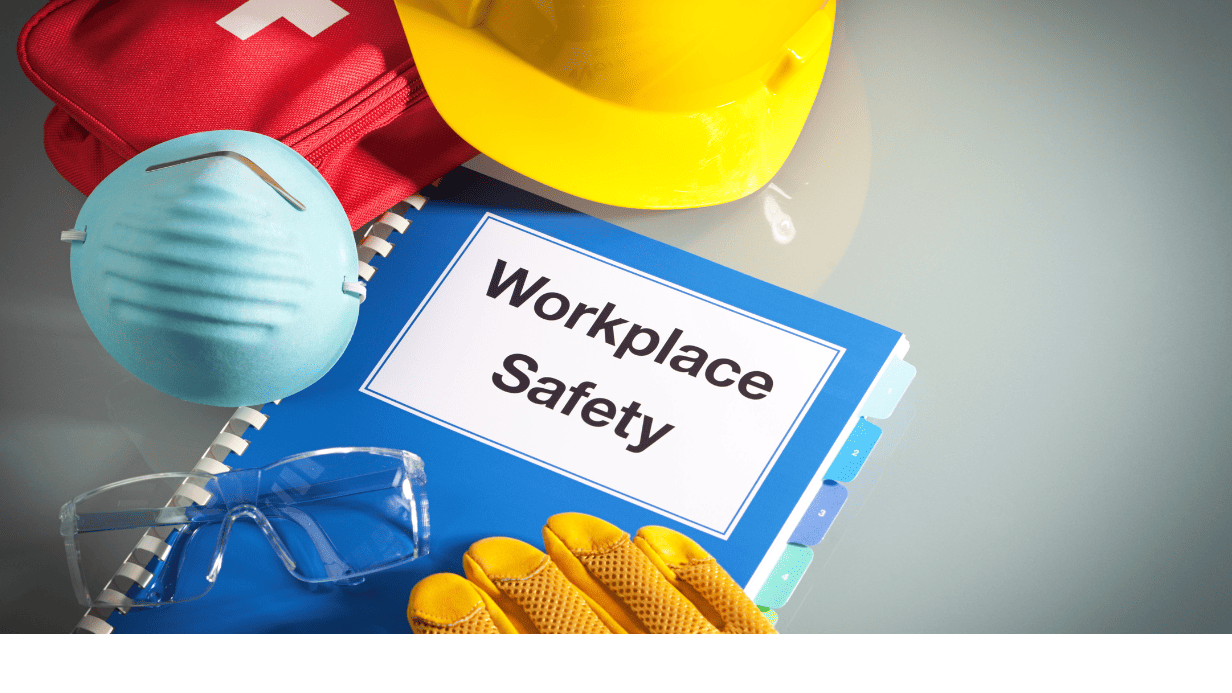
One of the most common workplace safety mistakes companies make is failing to provide proper safety training. While workers may know how to perform their daily tasks, without adequate training, they may not recognize hazards or respond correctly during emergencies.
Safety training helps employees identify risks, follow safe procedures, and take the right action when something goes wrong. Without it, even experienced workers can unintentionally put themselves and others in danger.
Example:
A worker who is not trained in lockout/tagout (LOTO) procedures may accidentally energize machinery during maintenance, leading to serious injuries or even fatal accidents.
Investing in proper safety and hazard awareness training not only prevents accidents but also improves compliance, reduces downtime, and builds a safer workplace for everyone.
How to Avoid It:
- Provide regular safety training, both online and in person.
- Build leaders through ISO 45001 Lead Auditor courses.
- Use simple examples and real-life stories to explain safety.
2. Ignoring Personal Protective Equipment (PPE)

Another mistake is ignoring personal protective equipment (PPE). Many workers avoid helmets, gloves, or masks because they feel uncomfortable. But PPE is often the only barrier that protects them from injuries.
Example: A worker without a helmet can suffer a severe head injury if something falls from above.
How to Avoid It:
- Enforce strict PPE rules for everyone.
- Provide comfortable and certified PPE.
- Share real cases where PPE saved lives.
3. Poor Communication of Safety Policies

Even the best safety rules are ineffective if workers don’t know or follow them. Lengthy manuals and emails are often ignored, leaving employees unaware of critical safety procedures.
Example: If employees aren’t familiar with fire exit routes, evacuation drills may fail.
How to Avoid It:
- Display clear signs and posters throughout the workplace.
- Hold weekly toolbox talks or brief safety meetings.
- Foster a culture where employees feel comfortable reporting hazards.
4. Neglecting Risk Assessments & Safety Audits

Workplaces constantly evolve with new machines, tools, and processes. Skipping safety audits and risk assessments can leave hazards unnoticed until an accident occurs.
Example: A warehouse adds new shelving but fails to verify load capacity, risking a collapse.
How to Avoid It:
- Conduct regular safety audits and risk assessments.
- Follow ISO 45001 standards for structured, effective audits.
- Engage employees—they often spot hazards first-hand.
5. Treating Safety as a Cost Instead of an Investment

Some businesses think safety programs are too expensive. But the truth is, accidents cost much more in lost time, medical bills, legal fines, and reputation damage. Safety is an investment, not an expense.
Example: A company skips fire safety training. Later, a preventable fire causes massive damage.
How to Avoid It:
- Show the benefits of safety (fewer injuries, better productivity).
- Invest in certifications like ISO 45001.
- Keep updating safety training and equipment regularly.
Why Choose Protective Risks Control for Safety Training
When it comes to workplace safety training, choosing the right provider is critical. Protective Risks Control offers internationally recognized programs, including ISO 45001 training, IRCA-approved Lead Auditor courses, and certified HSE training both online and onsite. Our expert trainers use real-life case studies, practical examples, and interactive methods to make learning easy and effective. With Protective Risks Control, you don’t just meet compliance — you build a strong culture of safety, reduce workplace hazards, and ensure long-term business success.
Conclusion
Workplace safety is not just about rules — it’s about saving lives and protecting businesses. By avoiding these common workplace safety mistakes, companies can keep their employees safe, reduce risks, and build trust.
At Protective Risks Control (PRC), we provide:
- IRCA-approved ISO 45001 Lead Auditor Training
- Certified HSE training programs (online & onsite)
- Professional safety audits and risk assessments
FAQS
What are the most common workplace safety mistakes?
The top mistakes are skipping training, ignoring PPE, poor communication, skipping audits, and treating safety as a cost.
Why is HSE training important?
It helps workers spot risks, respond in emergencies, and stay safe at work.
How often should workplace safety audits be done?
At least every 3 months, or whenever new equipment, processes, or materials are introduced.
What are the types of hazards in the workplace?
Physical hazards (falls, machines), chemical hazards (toxic substances), biological hazards (bacteria, viruses), and ergonomic hazards (poor posture, repetitive work).
How often should workplace safety audits be done?
At least every 3 months, or whenever there are changes in equipment or processes.
How does ISO 45001 help in workplace safety?
ISO 45001 provides a structured system for identifying risks, conducting safety audits, and improving health and safety performance across the workplace.
What is the role of a Lead Auditor in workplace safety?
A Lead Auditor ensures compliance with ISO 45001 standards, identifies gaps in safety management, and helps build a culture of continuous safety improvement.


